Online Courses
Sale thru 4/30/24
What's Next?™ A Treatment Protocol To Help Adults With Cognitive Deficits Perform Daily Vital Tasks #z100
Presenter: Gwen Hinrichs, MA, CCC-SLP
What’s Next?™ is a structured, measurable and evidence-based program designed to provide greater levels of independence for persons with mild to moderate dementia. All materials needed to implement the What’s Next?™ program are included as part of this course – AMPS Assessment, AMPS Decision Tree, Acceptance Continuum, Routine Recording Worksheets, and Goal Writing Samples.... more+
Sale thru 4/30/24
Learning Style Profile© Part IV: LSP Questionnaire - A Protocol For Identifying Social-Communication-Behavioral Breakdowns Between Children With ASD And Partners In The Classroom And Therapy #e301
Presenter: Patrick Rydell, Ed.D., CCC-SLP
In spite of best efforts during therapy sessions, social-communication-behavioral breakdowns may still occur when working with children with ASD. Our interpersonal interactions may unintentionally trigger, or at least contribute to these breakdowns. This course identifies common scenarios in which breakdowns occur, and explains the sources of interactional breakdowns specific to each of the 10 LSP components.... more+

Sale thru 4/30/24
Breathing Protocols For Speech-Language Pathology Practice #e300
Presenter: Kaitlyn Shrum, MA, CCC-SLP, QOM
This course will provide a review of the anatomy of respiration, define functional versus dysfunctional breathing, and describe best practices for implementing breathwork into clinical practice. Participants will be able to successfully evaluate clients for dysfunctional breathing and develop a plan of care to improve total health through functional nasal breathing. Course content is applicable for both adult and pediatric populations.... more+

Sale thru 4/30/24
Endoscopic Assessment: Voice-Vibratory Assessment With Laryngeal Imaging (VALI-R) #e297
Presenters: Bruce Poburka, PhD, CCC-SLP & Rita Patel, PhD, CCC-SLP
This course provides detailed instruction for clinical use of laryngeal endoscopic imaging – videoendoscopy and videostroboscopy. Content includes definitions, procedures, clinical interpretation, rating practice, and feedback. Included with this course is the interactive VALI-R PDF form. The VALI-R features high quality graphics, pull-down menus, and scrollable text boxes. The PDF format facilitates sharing records, and it may be used with select EMR systems that allow for upload of PDF documents.... more+
Sale thru 4/30/24
Pediatric Dysphagia: Interpretation Of VFSS, Management And Treatment Planning #e296
Presenter: Joan Arvedson, PhD, CCC-SLP, BC-NCD, BCS-S, ASHA Honors & Fellow
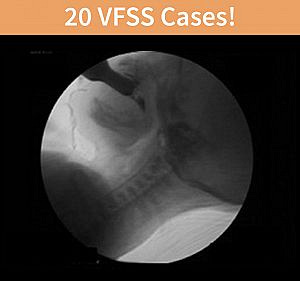
Presented by pediatric dysphagia expert, Dr. Joan Arvedson, this course provides comprehensive coverage of assessment and treatment of oropharyngeal dysphagia in infants and children. Participants will learn to describe findings on VFSS, to interpret findings related to underlying physiology, and to make management decisions for intervention strategies. Course includes 20 patient VFSS cases of varied ages and underlying etiologies.... more+
Sale thru 4/30/24
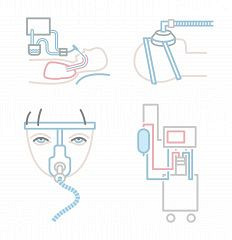
Mechanical Ventilation: Understanding Settings, In-Line Speaking Valves, And Swallowing #e293
Presenters: multiple expert presenters
This course covers mechanical ventilation, the application of in-line speaking valves, and swallowing interventions for tracheostomized and mechanically ventilated adult patients. Steps for in-line speaking valve application with troubleshooting and ventilator compensation will be discussed. Collaborative conversations between the SLP and Respiratory Therapist will foster a deeper understanding of ventilator compensation and how to contribute appropriately during in-line speaking valve trials.... more+
Sale thru 4/30/24
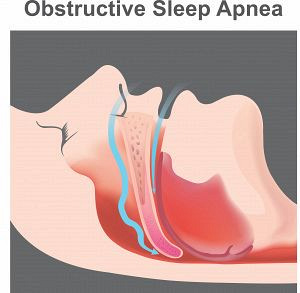
Dysphagia In Obstructive Sleep Apnea (OSA) – An Under-Recognized Impairment #e290
Presenters: Kendrea Garand, PhD, CScD, CCC-SLP, BCS-S, CBIS, CCRE & Emma Wallace, PhD
Obstructive sleep apnea (OSA) is a sleep-related condition in which there is intermittent temporary cessation of airflow during sleep resulting from partial or complete collapse of the pharynx. This course reviews the evidence to provide up-to-date information for clinicians about OSA, its impact on swallowing function, and how best to manage dysphagia in adult patients with OSA.... more+
Sale thru 4/30/24
Natural Language Acquisition In Autism: Echolalia To Self-Generated Language, Level 3 #e286
Presenter: Marge Blanc, MA, CCC-SLP
This NLA Level 3 Course presents an all-new look at NLA treatment. Discussed are strategies for individualizing treatment for gestalt language processors of any age: 18 months to 28 years. This course covers every aspect of supporting gestalt language development, including physical supports for self-regulation. Extensive videos, language samples, and goal-writing are included.... more+
Sale thru 4/30/24
Creating Complex Sentence Competence: Evidence-Based Treatment To Improve Receptive And Expressive Language Skills #e279
Presenter: Jennifer L. Schultz, MA, CCC-SLP
In this course, participants will be provided with the background needed to identify and form complex sentence stimuli for therapy. Tools and techniques for assessment to identify client strengths and needs will be shared. Evidence-based implicit and explicit treatment techniques to address complex sentence comprehension and expression will be demonstrated. This course includes downloadable, reproducible therapy resources.... more+
Sale thru 4/30/24
Subordinate Conjunctions? Relative Clauses? Help! Explore Strategies For Syntax Intervention #e276
Presenter: Cathy Alexander, MA, CCC-SLP
This course will help SLPs to support children’s syntax development. Key features of syntax will be reviewed. Strategies, contexts, and toys & books that can facilitate production of complex syntax in language samples will be highlighted. Learn a myriad of evidence-based “Go To” strategies for teaching syntax both orally and in the written language. This course includes downloadable, reproducible therapy resources.... more+
Sale thru 4/30/24
Oxygen Therapies And Swallow Considerations #e272
Presenters: Candice Devlin, MS, CCC-SLP, BCS-S & Rory O'Bryan, MS, CCC-SLP, BCS-S
This course reviews various oxygen delivery systems with discussion on how these may impact swallow evaluations and clinical approaches. Risks of aspiration related to respiratory distress and for those with high oxygen requirements is presented. A deep dive of high-flow nasal cannula and the current literature that discusses its potential impact on adult oropharyngeal swallowing is included.... more+
Sale thru 4/30/24
Auditory Processing And Cognitive Neuroscience: Applications For Intervention From Preschool Through Adolescence #e270
Presenter: Martha S. Burns, PhD, CCC-SLP
This course covers the neurology of auditory processing disorders with a specific focus on oral language, reading, and cognitive issues that research has shown can be associated with APD in children and adolescents. Includes evidence-based interventions and online, open-access therapeutic and educational resources.... more+
Sale thru 4/30/24
How To Incorporate Core Vocabulary With Picture Exchange Using A Low-Tech AAC Device #e269
Presenter: Megan Brazas, MA, CCC-SLP, QOM
While focusing solely on picture exchange is certainly beneficial for many children, successful outcomes using this approach still leave children unable to communicate in sentences and unable to say what they want to say, when they want to say it. This course will introduce the Core Vocabulary Exchange System® (CVES™), which incorporates picture exchange with core vocabulary to teach functional communication skills. Participants will learn to... more+

Sale thru 4/30/24
Training Auditory Processing In Children With Autism Spectrum Disorders And Other Neurodevelopmental Disorders #e264
Presenter: Martha S. Burns, PhD, CCC-SLP
This course reviews neuroscience research on processes of neurodevelopment emphasizing auditory, cognitive, and communication networks. Research is explained and reviewed followed by clinical applications.... more+
Sale thru 4/30/24
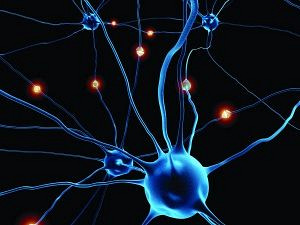
Neurology And Neuroscience: Review And Update For Your Clinical Practice #e263
Presenter: Martha S. Burns, PhD, CCC-SLP
Learn basic neuroanatomy and neurophysiology to better understand and integrate the latest neuroscience research to populations including autism spectrum disorders, auditory processing disorders, motor speech disorders, language disorders in children and aphasia in adults... more+
Sale thru 4/30/24
Building Social And Emotional Skills Competencies Using The Conversation Path Technique #e262
Presenter: Rosslyn Delmonico, MA, RSLP, CCC-SLP
Learn strategies to teach children the language skills needed for face-to-face conversations. Provides evidence-based teaching methods and ‘hands-on’ learning activities that can effectively support the acquisition of three conversation skills: greetings, chitchat, and long conversations with embedded topics. The lesson activities can be implemented within a variety of therapy settings and are primarily intended for children ages 5-14 years. ... more+

Sale thru 4/30/24
Let’s Talk Today! A Calendar Of 365 Daily Activities For Teaching Language Skills At Home #e256
Presenter: Jean Blosser, EdD, CCC-SLP
Let's Talk Today! is a practical resource SLPs can use to engage parents in their child's language development or improvement. This course includes a 12-month, dateless calendar with over 400 fun and interactive activities. Simple explanations of proven language intervention techniques are incorporated. Use the activities to build language skills needed for school success.... more+

Sale thru 4/30/24
How To Support Speech Pathologists And Children With Autism To Reduce Potential Behavior Challenges: Strategies To Design Successful Therapy Sessions – LSP Part III Instructional Series #e255
Presenter: Patrick Rydell, Ed.D., CCC-SLP
More time spent coping. . . is less time spent learning. Both children with ASD and SLPs struggle at times with interactional breakdowns during speech therapy sessions. This course provides SLPs with therapy design considerations to help mitigate interactional breakdowns so speech therapy can be more productive from the start. ... more+

Sale thru 4/30/24
How Can Children With Autism Learn Communication Skills From Their Peers? Overcoming Mechanical And Inflexible Language – LSP Part III Instructional Series #e254
Presenter: Patrick Rydell, Ed.D., CCC-SLP
For many children with ASD, social and communication interaction styles can be characterized as mechanical, scripted, and robotic. This course provides SLPs with practical steps and strategies to move children with autism from unconventional, mechanical and inflexible verbal exchanges to conventional uses of language that is typical of friends, peers and classmates. In this course, Dr. Rydell will describe how ... more+

Sale thru 4/30/24
How To Create Joint Action Routines For Children With Autism: Strategies To Facilitate Vocabulary, Phrases, And Social Use Of Language – LSP Part III Instructional Series #e253
Presenter: Patrick Rydell, Ed.D., CCC-SLP
This course provides SLPs with step-by-step strategies to design and implement Joint Action Routines (JARs) as a preferred tool to facilitate verbal communication in children with autism. JARs are best practice, naturalistic, social-communicative routines that occur among adult or peer partners and the child with autism and that provide rich contexts for language learning, generative language and social use of language.... more+

Sale thru 4/30/24
How Can Children With Autism Become Less Object-Oriented And More People-Oriented? Strategies To Develop A Social Priority – LSP Part III Instructional Series #e252
Presenter: Patrick Rydell, Ed.D., CCC-SLP
This course provides specific goals and strategies for SLPs to use at school, home, or in therapy to help move children with autism from object-oriented to people-oriented learners. It is particularly relevant for children with autism who struggle with how to independently learn social skills from others without being directly taught or prompted by adults.... more+

Sale thru 4/30/24
How Can Children With Autism Learn Social Skills From Their Peers? Teaching Vs. Mentoring – LSP Part III Instructional Series #e251
Presenter: Patrick Rydell, Ed.D., CCC-SLP
This course takes the empirical research on ASD peer-mediated interventions and provides practical, common-sense strategies for SLPs to help children with autism learn how to increase their social abilities with friends. These strategies also help children with autism to see peers as trusted mentors as their confidence builds to participate in unplanned social activities.... more+

Sale thru 4/30/24
Developing Carryover For Speech Sound Disorders Within The Natural Environment #e248
Presenter: Gina Gabel Hurst, MS, CCC-SLP
This course will help SLPs to effectively promote speech sound carryover with children ages 3 to 12. This course includes the Carryover Cards for Kids – a downloadable resource containing 124 English talk task cards and 116 Spanish talk task cards.... more+

Sale thru 4/30/24
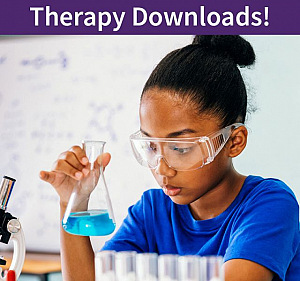
Ready, Set, “Action” 2 – Integrating Science Curriculum Verbs Into Your Therapy Session #e246
Presenter: Cathy Alexander, MA, CCC-SLP
This course connects SLP treatment with curriculum-related goals that the child is learning in the classroom. This session covers from early science vocabulary (kindergarten) through adolescents. Learn evidence-based intervention strategies for teaching vocabulary for life science, changes in matter, and earth science. This course includes downloadable, reproducible therapy resources.... more+
Sale thru 4/30/24
Ready, Set, "Action" – Integrating Curriculum Verbs Into Your Therapy Session #e245
Presenter: Cathy Alexander, MA, CCC-SLP
Limited verb lexicon is a characteristic of children with specific language impairment (SLI). Learn how SLPs can foster the development of verbs by increasing frequency input and verb diversity. Strategies will be provided for children with SLI to learn curriculum verbs. Grade-level verbs, high-incidence academic verbs, and verbs critical for academic success will be covered. This course includes downloadable, reproducible therapy resources.... more+
Sale thru 4/30/24
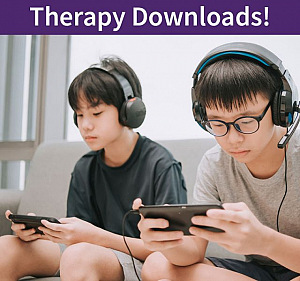
Pragmatic Language Methods And Strategies: Anecdote On Excessive Screen Time #e234
Presenter: LeAnna Heinrich, MS, CCC-SLP
This course examines the relationship between excessive screen time and language development, and offers suggestions for helping families understand screen time. Specific methods and strategies for incorporating the screen time discussion into pragmatic language therapy are provided. This course includes downloadable, reproducible therapy resources.... more+
Sale thru 4/30/24
Grammatical Morpheme Toolbox! Treatment Techniques Targeting Plurals, Verbs, And More! #e232
Presenter: Cathy Alexander, MA, CCC-SLP
This course focuses on innovative strategies for teaching grammatical morphology for children ages 3 to 10. The presenter will demonstrate evidence-based practices targeting present progressive verbs, regular and irregular past tense verbs, plurals, possessives, comparatives and superlatives. Participants will take away numerous treatment activities as well as ready-to-use handouts. ... more+
Sale thru 4/30/24
Medical Speech Pathology Essentials For Dysphagia Practice: Managing Complex Adult Patients With Pulmonary, Digestive And Airway Disorders #e231
Presenter: James L. Coyle, PhD, CCC-SLP, BCS-S, ASHA Fellow
This course provides essential information on managing complex patients who have multiple diagnoses impacting swallowing function. Discussed will be swallow function and treatment planning as related to body systems, the aging process, and patient diagnostic reports... more+
Sale thru 4/30/24
Core Principles For Respiratory Muscle Training (RMT) #e228
Presenter: Harrison Jones, PhD, CCC-SLP
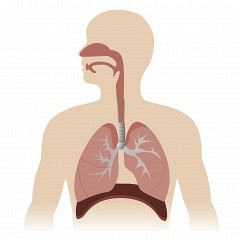
This course provides the critical background and foundational knowledge for developing and improving clinical RMT programs. Discussed will be anatomy and physiology of the respiratory system, strengths and weaknesses of commonly encountered RMT devices, interpretation of maximum inspiratory pressure (MIP) and maximum expiratory pressure (MEP), and RMT treatment including principles of training.... more+
Sale thru 4/30/24
Learning Style Profile© PART II: How To Set Up The Therapy Environment #e226
Presenter: Patrick Rydell, Ed.D., CCC-SLP
This course serves as the follow up to course, #e213. Most professionals and parents involved in ASD intervention are familiar with the latest empirical research. But, what’s next? What is our game plan? This LSP Advanced Course focuses on training professionals and parents for interventions that facilitate a child’s development from learning style weaknesses to learning style strengths. ... more+

Sale thru 4/30/24
Problem Solving Tracheostomy Tubes For The Speech-Language Pathologist #e225
Presenter: Roxann Diez Gross, PhD, CCC-SLP, ASHA Fellow
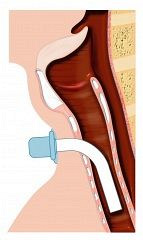
Learn to problem solve a range of conditions that may occur when working with patients who have indwelling tracheostomy tubes. Problem scenarios are presented along with solutions. Learn to identify symptoms that could indicate a patient may benefit from a different type of tracheostomy tube. Discussed will be tube variables such as tube angle, length, flexibility, and neck plate configuration. ... more+
Sale thru 4/30/24
Learning Style Profile© PART I: Building The Capacity For Socially Appropriate Conversation In Young Children With Autism Spectrum Disorder #e213
Presenter: Patrick Rydell, Ed.D., CCC-SLP
This course introduces Dr. Patrick Rydell’s Learning Style Profile©. Learn evidence-based interventions to help children with ASD prepare for natural, reciprocal social interactions and conversation. Learn to identify early profiles of learning style strengths and challenges, then establish evidence-based interventions designed... more+

Sale thru 4/30/24
Let's Get Serious About Vocabulary And Morphology Interventions: 80 Evidence-Based Treatments And Activities #e199
Presenter: Cathy Alexander, MA, CCC-SLP
This course will discuss the well-documented relationship between vocabulary and reading and will present approaches for selecting vocabulary words and techniques for teaching vocabulary. Provides "ready-to-use" activities for preschool age through adolescent students. Participants will learn a framework to enhance vocabulary development. This course includes numerous downloadable, reproducible therapy resources.... more+
Sale thru 4/30/24
Accessible Strategies And RTI For Speech Intervention #e193
Presenter: Ana Paula Mumy, SLPD, CCC-SLP
Explaining to students how to change the way they move their tongue, lip and jaw muscles to improve speech intelligibility has always been challenging. This course uses a multi-sensory approach with video demonstrations to make it easier for students to understand, remember, self-monitor, and use evidence-based strategies for the remediation of R, S, Z, L, F, V, TH, SH, CH sounds. Includes numerous downloadable reproducibles for use in your therapy sessions.... more+

Sale thru 4/30/24
Functional AAC Assessment And Intervention Strategies For Individuals With Severe Disabilities In Schools And Other Settings #e191
Presenter: Stephen Calculator, PhD, CCC-SLP
This course highlights functional AAC assessment and intervention strategies to foster communication, educational, and related skills in individuals with severe disabilities. Emphasis will be placed on the use of integrated models of service delivery and ecologically valid, evidence-based procedures such as natural supports, embedded goals, discipline-free objectives, skill clusters, and discrepancy analysis. Overarching themes of the presentation will be participation, membership and inclusion.... more+

Sale thru 4/30/24
Common Core State Standards - Implications For Working With Children With Autism #e180
Presenters: Peggy Agee, SLPD, CCC-SLP & Lissa Power-deFur, PhD, CCC-SLP
School-based SLPs are increasingly being expected to relate their intervention with their state’s education standards. This course presents a method for analysis of standards to plan for interventions with a focus on those standards that will be challenging for children with autism. Includes case studies of elementary age students with different communication challenges.... more+

Sale thru 4/30/24
Diagnosis To Treatment Of Paradoxical Vocal Fold Motion And Chronic Cough #e169
Presenter: Sherri K. Zelazny, MA, RSLP, CCC-SLP
PVFM and Chronic Cough challenge the SLP and allow for a dynamic role in the evaluation and treatment of functional laryngeal airway disorders. This course will review evidence-based practice and application. Provides guidance in case history intake, differential diagnosis, and treatment of PVFM and Chronic Cough. Includes endoscopy samples and case studies. ... more+

Sale thru 4/30/24
A New Science Of Learning Model For The Treatment Of School-Age Speech And Language Deficits #e167
Presenter: Martha S. Burns, PhD, CCC-SLP
This practical course will review research from the new field of educational neuroscience as it applies to clinical practice with students who have speech-language and social-communication disorders. It will focus on research on the causes of language disorders, autism spectrum disorders, reading disorders and other neurodevelopmental learning disabilities. ... more+

Sale thru 4/30/24
Practical Strategies For Identifying And Assessing Infants And Toddlers With Autism Spectrum Disorder #e164
Presenter: Elizabeth Crais, PhD, CCC-SLP
Recent evidence indicates that behavioral characteristics of ASD can be seen in some children as young as 12-15 months. This course will highlight key social communicative, sensory, and play behaviors shown to be symptomatic of ASD diagnosis. Video examples of infants and toddlers with ASD will be used to illustrate what these behaviors look like in young children.... more+

Sale thru 4/30/24
Reading And Writing Expository Text: Project Based Intervention #e162
Presenters: Karin Johnson, MA, CCC-SLP & Catherine Curran, PhD, CCC-SLP
This course presents strategies to teach students to comprehend and express themselves using exposition while participating in unique, creative, and motivating experiences. The strategies presented are appropriate for use with whole-classrooms, small groups, as well as individuals. This course includes downloadable, reproducible therapy resources. Focus is children in grades 4 -12. ... more+

Sale thru 4/30/24
How To Collaborate With The Classroom Teacher To Improve Students’ Language Skills #e157
Presenter: Jean Blosser, EdD, CCC-SLP
This course focuses on improving the partnership between the SLP and teacher. Discusses solutions to challenges such as: (1) aligning intervention to curriculum standards; (2) mandates for better accountability and outcomes; (3) the increasing numbers of students with complex disabilities; (4) mandates for alternative approaches to service delivery; and (5) personnel shortages.... more+
Sale thru 4/30/24
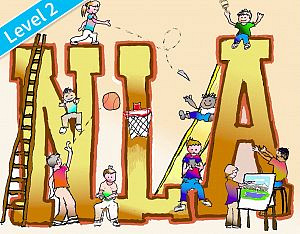
Natural Language Acquisition In Autism: Echolalia To Self-Generated Language (Treatment), Level 2 #e148
Presenter: Marge Blanc, MA, CCC-SLP
This NLA Level 2 Course serves as the follow up to the NLA Level 1 Course (see course #e82). Discussed will be treatment for autistic children who use echolalia or who have used echolalia at an earlier stage in their language development. Treatment contexts, activities, and planning are illustrated through video clips, language transcripts, and discussion. ... more+
Sale thru 4/30/24
Selecting And Implementing AAC Systems For Young Children With Complex Communication Needs #e147
Presenter: Joy McGowan, MS, CCC-SLP
Presented will be guidelines for participants to use in determining the optimal AAC system to ensure successful communication across environments. Includes five critical components to consider when selecting a system. Discussed will be the functional implications of cognition, speech and language development, vision, and gross/fine motor skills. Both high and low-tech communication options will be examined, including communication boards, PECS, switches, eye-gaze, mobile technology, and speech-generating devices.... more+

Sale thru 4/30/24
Progressive And Systematic Speech And Language Training For Children On The Autism Spectrum #e133
Presenter: Tamara Kasper, MS, CCC-SLP, BCBA
International autism expert, Tamara Kasper, will teach participants how to use non-verbal communication to jumpstart verbal communication. This intervention-focused course discusses how children with autism develop speech and language and how best to initiate interventions for children who have limited functional communication. Learn how to select first words to build language, how to use word simplification techniques to promote speech acquisition, and how selection of appropriate motivators is critical to gain progress in therapy. ... more+

Sale thru 4/30/24
Tell Me What Happened! Teaching Children With High Functioning Autism To Comprehend And Retell Narratives #e132
Presenter: Nicole Gerami, MA, CCC-SLP
Learn new strategies for mapping out story content and structuring a basic written summary. This course will discuss narrative difficulties for autistic children, explain narrative types, and present a method of structured narrative teaching to help children comprehend and retell narratives.... more+
Sale thru 4/30/24
Examining The Damaging Effects That Mouth Breathing And Excessive Breathing Have On Speech Production And Oral/Facial Structures #e129
Presenter: Patrick McKeown, MA
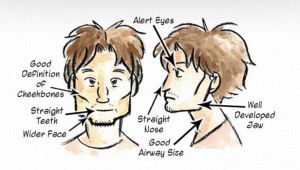
Presents new information on the importance of nasal breathing. Learn why nasal breathing and correct resting tongue posture are imperative for normal development of the teeth, jaw and face. Learn about the damaging effects of mouth breathing, and learn methods to reestablish healthy nasal and diaphragmatic breathing patterns.... more+
Sale thru 4/30/24
Dysphagia: Integrating Respiration And Deglutition #e103
Presenter: Bonnie Martin-Harris, PhD, CCC-SLP, BCS-S, ASHA Honors
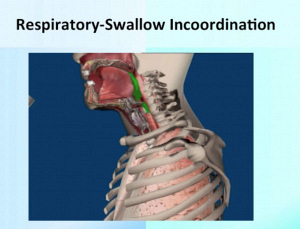
This course addresses the mechanistic, anatomical and functional relationships of the human upper aerodigestive tract. A line of research derived directly from the needs of patients will highlight the interactions of respiration and swallowing. Normal and impairment models of respiratory-swallowing coordination will be reviewed as a foundation for the development of novel therapies that directly target respiratory-swallowing coordination during swallowing rehabilitation.... more+
Sale thru 4/30/24
Strategy-Based Interventions For The School-Age Child #e84
Presenters: Ruthann Jarvis, MA, CCC-SLP & Elizabeth Peterson, MA, CCC-SLP
With growing caseloads, SLPs are increasingly challenged to make meaningful therapy progress with each student. This course presents the "Strategies Offer Solutions" intervention formula. Apply this formula to create practical, functional, and easy-to-implement strategies to target articulation, language, grammar, organizing thoughts, inferring & reasoning, written language, attention, fluency awareness, and eye contact. This course includes all the downloads needed to implement this approach with success!... more+
Sale thru 4/30/24
Natural Language Acquisition In Autism: Echolalia To Self-Generated Language, Level 1 #e82
Presenter: Marge Blanc, MA, CCC-SLP
This NLA Level 1 Course describes the linguistics of echolalia in language development. Consider the notion that echolalia can be shaped and modified to create functional language and that autistic children who demonstrate echolalia use this speech for intentional communication. Learn a protocol for assessing spontaneous language in autism, determining the stages of language development, and deriving appropriate language goals.... more+
Sale thru 4/30/24
Increasing Frequency And Intensity Of Language Intervention Through Parent Training And Involvement #e80
Presenter: Ana Paula Mumy, SLPD, CCC-SLP
When parents and caregivers are trained to become integral parts of intervention, SLPs are able to increase the frequency and intensity of language intervention. This course details the when, why, and how to get parents and caregivers involved in the speech & language intervention process. Includes considerations of individual backgrounds, experiences, culture, and education.... more+
Sale thru 4/30/24
Autism Spectrum Disorders: Build Speech, Language, And Literacy Skills With Orthographic Instruction #e65
Presenter: Keli Richmond, MS, CCC-SLP
Different from other "literacy" courses, this evidence-based course will provide specific guidance for SLPs working to establish early literacy skills with children with Autism. Exposing children with Autism to early literacy interventions with embedded printed (orthographic) cues is imperative. This course teaches the use of printed cues as a means to... more+

Sale thru 4/30/24
Simultaneously Improve Speech Intelligibility, Enhance Phonological Awareness And Develop Language/Literacy Skills With Orthographic Instruction #e64
Presenter: Keli Richmond, MS, CCC-SLP
Research has found that even when children with speech sound disorders receive early speech intervention and sounds are successfully remediated, they may be at continued risk for later reading, spelling, and academic difficulties due to a weak underlying phonological system. In this course, learn to use orthographic instruction to remediate speech errors while simultaneously supporting literacy and language skills.... more+
Sale thru 4/30/24
Using Video Modeling For Functional Communication In Students With Autism: Justin's Journey #e18
Presenter: Nancy Horowitz Bertsch, MA, CCC-SLP
This course is a case study of an autistic male teen's communication treatment program and his treatment outcomes. This case demonstrates the progressive changes occurring in communication skills with the use of video-feedback using audio-video technology, digital photography, and a speech generating device.... more+

New
Food Chaining Therapy “New Without No” – Overcoming Aversion, Sensory Challenges and Fear #e313
Presenters: Cheri Fraker, CCC-SLP, CLC & Laura Walbert, CCC-SLP, CLC
This treatment course demonstrates the how-to’s of PreChaining and Food Chaining over time. Learn fun and creative strategies for successfully implementing PreChaining and/or Food Chaining therapy for the child with severe to extreme feeding aversion. Detailed case studies are used to demonstrate from week to week how to help the child and their family make rapid and lasting gains, eat safely, lower anxiety, expand the diet, improve nutritional status, and eat with joy.... more+

New
Understanding Avoidant/Restrictive Food Intake Disorder (ARFID) #e308
Presenter: Jennifer Dahms, MS, CCC-SLP, BCS-S
ARFID is a relatively new diagnosis to the medical community. This course will discuss the definition and symptoms of ARFID, additional diagnoses that can occur with a diagnosis of ARFID, and describe several screening and assessment tools that have been utilized and studied for diagnosing. Possible therapeutic, medical, and pharmacological interventions are discussed. Course content is applicable for both adult and pediatric client populations.... more+

Featured
SLP Therapy Essentials For Older Students: A Model For Treatment Planning, Intervention, And Family Education #e303
Presenter: Claudia Doan, MS, CCC-SLP
This fun, interactive, and evidence-based course is designed to help school-age children internalize lessons taught in speech therapy and generalize them to real-life communication situations. Learn treatment approaches to meet the needs of older students in the areas of articulation, vocabulary and written expression. Presented in detail will be highly engaging and easy-to-implement experiential, speech-language therapy lessons.... more+

Featured
Competencies In The Treatment Of Children With Apraxia Of Speech: The Kaufman Speech To Language Protocol (K-SLP) #e295
Presenter: Nancy Kaufman, MA, CCC-SLP
The Kaufman Speech to Language Protocol (K-SLP) is one of the most commonly used treatment approaches for childhood apraxia of speech (CAS). This comprehensive training offers participants the opportunity to demonstrate competencies in the implementation of the K-SLP for treatment of CAS. Gain a deeper understanding of the essential components of this approach. Learn strategies for using phonological processes to select treatment stimuli, and learn methods to help children progress from unintelligible speakers to functional verbal communicators.... more+
Sale thru 4/30/24
Introduction To MBSImP™ – A Standardized Protocol For Assessment Of Swallowing Impairment #e001
Presenter: Bonnie Martin-Harris, PhD, CCC-SLP, BCS-S, ASHA Honors
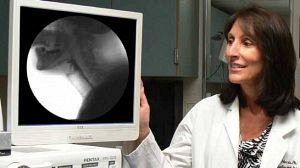
Presented by dysphagia expert and MBSImP™ developer, Bonnie Martin-Harris, PhD, this course provides a comprehensive overview of the MBSImP™ Approach and Protocol. Includes an in-depth discussion of 17 physiologic factors requisite for the execution of normal swallowing. It then introduces a scoring metric to profile and quantify physiologic swallow impairment across these 17 components. Course focus is the adult population.... more+
Featured
The Modified Barium Swallow Impairment Profile: MBSImP™ Standardized Training And Reliability Testing #e01
Presenter: Bonnie Martin-Harris, PhD, CCC-SLP, BCS-S, ASHA Honors
The MBS study, while a clinically useful tool, remains a subjective test. The MBSImP™ Approach provides a standardized and evidence-based protocol to interpret and communicate MBS study results in a manner that is consistent, specific, accurate, and objective. Course participants will learn to apply the MBSImP™ standardized scoring metric to profile and quantify physiologic swallow impairment in the adult population.... more+
New
Balancing Ethics and Technology: Integrating Artificial Intelligence in Speech-Language Pathology #e317
Presenters: Kellyn Dailey Hall, PhD, CCC-SLP & Leslie Johnson, PhD, CCC-SLP
This course provides SLPs with an overview of Artificial Intelligence (AI), emphasizing its ethical applications in the field. It explores the practical uses and challenges of AI, along with crucial ethical considerations such as privacy, consent, and bias mitigation. This course guides SLPs in effectively leveraging AI to enhance efficiency and productivity in their daily operations, all while upholding ethical standards. ... more+

New
Ethics In Telepractice #e311
Presenter: Marissa Rocheleau, MA, CCC-SLP
This course outlines ethical ramifications of providing online service delivery to clients. Includes a discussion of the legal and ethical guidelines for providing online delivery of services, and a discussion of guidelines for determining if clients are appropriate for telepractice. Course content is applicable for both adult and pediatric client populations.... more+

New
From Can’t, To Can Do! Montessori For Aging And Dementia #e309
Presenters: Jennifer A. Brush, MA, CCC-SLP & Brush Development,
Each segment of this course is carefully designed to provide participants with simple, actionable solutions that can be implemented today with individuals with dementia and their care partners. The Montessori philosophy discussed gives rehabilitation therapists the tools they need to dramatically improve their experience of working with clients with dementia.... more+
New
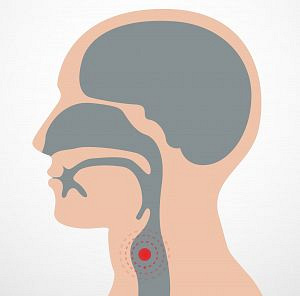
Swallowing Difficulties After Total Laryngectomy #e307
Presenter: Paula Sullivan, MS, CCC-SLP, BCS-S
This course will provide participants with a thorough understanding of the surgical management of laryngeal cancer, etiologies of dysphagia, clinical and instrumental assessment during the pre- and post-operative periods, and methods of interventions. Additionally, participants will view a comprehensive library of post-laryngectomy radiographic images and case studies.... more+
New
Aspiration Pneumonia: How Can We Help? #e304
Presenter: George Barnes, MS, CCC-SLP, BCS-S
In this presentation, you'll find that aspiration pneumonia might not be exactly what you thought it was. Learn how an evidence-based approach to evaluation and management can reduce risk. Course includes multiple case examples to describe the complex interplay between dysphagia, aspiration, and pneumonia. Most importantly, this course includes practical takeaways that can be used to improve your clinical practice immediately. Course focus is the adult population.... more+
New
Prehabilitative Swallowing Intervention In Head & Neck Cancer #e294
Presenter: Paula Sullivan, MS, CCC-SLP, BCS-S
This course provides a comprehensive approach to proactive dysphagia evaluation and intervention necessary to optimize outcomes. Course topics include: management of HNC throughout the continuum of care, pathophysiology of swallowing dysfunction in HNC, aspiration in HNC, swallowing treatment, the feeding tube controversy and... more+

New
Dysphagia Management And Adults With Intellectual Disability #e292
Presenters: Melissa Farrow, MS, CCC-SLP, BCS-S & Kristine Goldynia, SLPD, CCC-SLP
Adults with intellectual disability are at risk for dysphagia. The unique swallowing, feeding, and behavioral challenges experienced in this population must be considered when assessing and treating these patients. This course discusses appropriate dysphagia assessment, management plans, and training programs for adults with intellectual disability.... more+

Purpose And Rationale For Using Endoscopy/FEES In The Management And Treatment Of Dysphagia #e306
Presenter: Joseph Murray, PhD, CCC-SLP, BCS-S
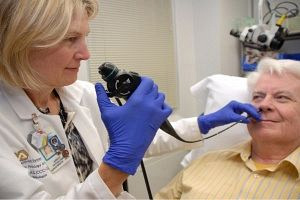
This course introduces and reviews FEES as a tool for visualizing, monitoring and treating swallowing function. Guidelines are presented for selecting FEES or videofluoroscopic instrumentation. The learner will understand the equipment used to complete the exam and the steps necessary to gain competency in performance of the exam.... more+
Ethics And Burnout #e302
Presenter: Teresa Roberts, EdD, CCC-SLP
This course will provide an overview of ethical decision-making models in relation to cultural factors, compassion fatigue and burnout related to work stressors. Ethical decision-making will be examined through the lens of self-reflective practices. Resources for navigating compassion fatigue and burnout will be provided. Content is applicable for SLPs working with both adult and pediatric populations.... more+

Pain Management Considerations In Speech Pathology Practice: What The SLP Needs To Know To Manage Persons Living With Chronic Pain #e299
Presenter: Mike Studer, PT, MHS, DPT
Over the past 20 years our understanding of the neurophysiology of pain has improved dramatically. This course in pain science and management is appropriate for the rehabilitation professional. Discussed will be practical, patient-centered approaches to managing chronic pain.... more+
The Penetration-Aspiration Scale: Standardizing Airway Protection Judgments From MBS Studies #e298
Presenter: James L. Coyle, PhD, CCC-SLP, BCS-S, ASHA Fellow
Presented by dysphagia expert, James Coyle, PhD, this course will demonstrate application of the Penetration-Aspiration Scale using patient MBS studies. Participants will learn to accurately use the PA Scale on all swallows of a videofluoroscopic swallowing study. Common judgment errors and methods of resolving uncertainties in score selection will be discussed, along with a handy decision-making algorithm for using the PAS.... more+
Hop On The Multi-Tiered System Of Supports Train (MTSS) #e291
Presenters: Jean Blosser, EdD, CCC-SLP & Nancy Robinson, PhD, CCC-SLP
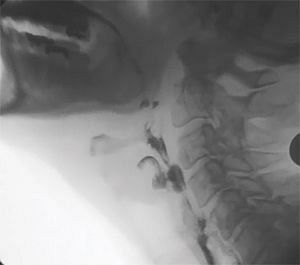
This course explores MTSS and implications for SLP practice. Working within the MTSS framework offers a new paradigm for service delivery that can help SLPs address everyday challenges such as: 1) integrating intervention strategies into classroom instruction, 2) determining dosage for services, 3) balancing high caseloads/heavy workloads, 4) collaborating with resistant colleagues, 5) identifying priorities, and 6) managing limited resources.... more+

Dementia Essentials For Speech-Language Pathologists: Functional Person-Centered Strategies For Working With Clients Living With Dementia #e289
Presenters: Jennifer A. Brush, MA, CCC-SLP & Brush Development,
This comprehensive dementia course includes lectures, handout materials, and therapy activity ideas that provide the essential tools needed for clinicians working with individuals who have cognitive impairment. Participants will leave this course with blueprints for purposeful activities for all levels of cognitive impairment that will increase elder engagement throughout the day. ... more+

Practical Guidance For Identifying, Evaluating, And Treating Memory Disorders #e288
Presenter: Jennifer A. Brush, MA, CCC-SLP
This course provides a comprehensive review of formal assessment tools and treatment planning options appropriate for persons with memory loss associated with dementia. It discusses the roles and responsibilities of the SLP related to memory loss, and compares and contrasts some of the diseases that cause symptoms of dementia and memory loss.... more+

How To Start Your Own Telepractice Business #e287
Presenter: Marissa Rocheleau, MA, CCC-SLP
This comprehensive course outlines how to start or expand your own telepractice business as a therapist. It will cover issues related to company formulation and licensing, taxes and liability, advertising strategies, resources for online business owners, hiring and supervising therapists, how to write contracts, and much more.... more+

School-Age Stuttering Therapy: Practical Activities #e285
Presenter: J. Scott Yaruss, PhD, CCC-SLP, BCS-F, F-ASHA
This course will help SLPs apply fundamental knowledge about stuttering therapy in order to reduce the adverse impact of stuttering for school-age children and adolescents. Presentation discusses treatment goals and practical therapy activities that can be applied immediately in your therapy sessions.... more+

Building Resilience In Our Young Clients #e284
Presenter: Adina Soclof, MS, CCC-SLP
An increasing number of children have difficulty coping with 21st century everyday life. This course provides a working definition of resilience and descriptions of the characteristics that may be associated with better outcomes for children who confront adversity in their lives. It also identifies particular groups of children – most notably those with developmental challenges and learning disabilities – who are most likely to benefit from resilience training.... more+

Strategies And Techniques For Helping Children Develop A Growth Mindset #e283
Presenter: Adina Soclof, MS, CCC-SLP
This course describes various challenges that can sidetrack children in their developmental and educational processes, leaving them with a sense of discouragement and helplessness. Participants in this course will learn strategies to help children become aware of and use their own strengths to develop a growth mindset and overcome academic challenges.... more+

Communication Techniques That Work: Build Rapport, Connect And Motivate #e282
Presenter: Adina Soclof, MS, CCC-SLP
This course will teach clinicians and parents effective communication and conversational skills to use in the classroom, in one-on-one situations, and at home with children and their families. Course participants will learn strategies for addressing children’s negative feelings, reducing frustration and power struggles, managing meltdowns, encouraging cooperation, improving motivation, building self-esteem and more... more+

Ethics For SLPA Supervision #e281
Presenter: Jennifer L. Schultz, MA, CCC-SLP
This course will introduce SLPs to the ASHA Assistants Code of Conduct. It is important for supervising SLPs to know the content of this code and to use it along with the ASHA Code of Ethics to navigate ethical issues when working with SLPAs. A framework is provided to analyze ethical concerns and to implement solutions to maintain ethical practice when supervising SLPAs.... more+

"If They Choke, No Heimlich?" Ethical Considerations For SLPs #e280
Presenter: Amanda Warren, MS, CCC-SLP
This course features a case review of a man with dementia living in a long-term care facility. He is not communicative, sits in a wheelchair, has some swallowing difficulties, and is unable to feed himself. There are DNR, DNI, and DNH orders in his medical record. His family has asked that a Heimlich maneuver not be performed if he were to choke. This presentation will explore the role of the SLP as an integral member of the ethics team.... more+

Communication Foundations For SLPA Supervision #e278
Presenter: Jennifer L. Schultz, MA, CCC-SLP
Increasingly, SLPs are supervising SLP assistants (SLPAs). The competencies and skills needed for a successful long-term supervisor/supervisee relationship are different from those required for supervision of students and clinical fellows. This course will introduce two important factors in maintaining a successful long-term supervisor/supervisee relationship: psychological safety and receiving feedback. Course participants will learn... more+

Telepractice Treatment For Early Intervention And School-Age Children #e277
Presenter: Marissa Rocheleau, MA, CCC-SLP
This course is designed for SLPs to learn more about treating children in early intervention (ages 0-2) and in school settings (ages 3-22) using a telepractice based model. Content will include research foundations supporting the use of telepractice, valuable resources and materials to implement in treatment, collaboration strategies, real videos of treatment, and case studies.... more+

The Power And Principles Of Narrative Intervention #e275
Presenter: Trina Spencer, PhD, BCBA-D
This course presents 10 principles of effective narrative intervention. Learn what's special about oral language and what's special about stories. Learn deficits that oral storytelling can help solve. Learn how oral storytelling instruction can effectively address the cluster of skills that are at the core of everything literacy related. Stories are everywhere. Why not harness their power?... more+

Academic Language And How To Teach It #e274
Presenter: Trina Spencer, PhD, BCBA-D
This course takes a deep dive into academic language and how to teach it in meaningful contexts. Only 12% of students with language disabilities meet grade level expectations in reading and writing. When SLPs concentrate their language intervention on the dimensions of academic language—namely vocabulary, discourse structures, complex sentences, morphology, and inferencing—more students achieve academic expectations. ... more+

MBSImP™ Renewal Course To Maintain Registered MBSImP Clinician Status: 10-Year Renewal #e273
Presenter: Bonnie Martin-Harris, PhD, CCC-SLP, BCS-S, ASHA Honors
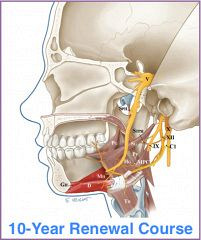
This course serves as the MBSImP™ 10-Year Renewal Course for Registered MBSImP Clinicians. This course will review MBSImP scoring, including nuances for assessing the more challenging physiologic components. Updates on recent clinical research and future directions is included. Eligibility for enrollment requires prior completion of the courses, #e01 and #e128.... more+
Water Protocols: The Supportive Evidence, The Limited Evidence, And The Importance Of Clinical Judgment #e271
Presenter: Kathy Panther, MS, CCC-SLP, CBIST
Can you allow a patient who is aspirating thin liquids to drink water? Water protocols have long been controversial as dysphagia management practices and likely will continue to be controversial for the foreseeable future. This course covers the evolution of water protocols including why they were developed and why they continue to be relevant today. ... more+
Best Voice With The Least Effort: Understanding The Voice And Principles Of Management #e268
Presenter: Chris Gaskill, MM, PhD, CCC-SLP
This course was designed for SLPs with the following levels of voice management experience: new clinicians who need additional training on the fundamental principles of voice management; clinicians who infrequently see voice clients; and for experienced clinicians who never received intensive training on managing voice disorders. Topics include: physiology and acoustics of the vocal mechanism, Semi-Occluded Vocal Tract (SOVT) techniques, how to care for the vocal instrument, and voice care myths.... more+

School-Based Telepractice Including IEP Process #e267
Presenter: Marissa Rocheleau, MA, CCC-SLP
This course outlines how to implement telepractice in a school-based setting, including how-tos for holding IEPs and case management virtually. It includes implementation suggestions that therapists can immediately apply in their practice.... more+

Evaluation And Treatment Of Childhood Apraxia Of Speech: The Kaufman K-SLP Methods And Behavioral Strategies To Build Vocal Communication #e266
Presenter: Nancy Kaufman, MA, CCC-SLP
Join apraxia expert, Nancy Kaufman, for this online course as she discusses evaluation and treatment strategies for Childhood Apraxia of Speech. This presentation will include signs and symptoms of CAS, establishing motivation, shaping word approximations, implementing and fading cues, reinforcement strategies, data collection, scripting functional expressive language, coaching parents, and practicing skills in the natural environment.... more+
Mild Cognitive Impairment: Assessment Challenges And Solutions #e265
Presenters: Kathryn Bayles, PhD, CCC-SLP (Retired) & Kim McCullough, PhD, CCC-SLP
This course focuses on MCI assessment. Topics presented will include the value of early identification, evidence-based in-depth guidelines for assessment, information about types of assessments — both screening measures and broad based neuropsychological batteries, the factors to consider in interpreting test performance, and counseling clients given their test performance.... more+
The Five Systems Of Dysphagia: Why The SLP Is More Important Today Than Ever #e261
Presenter: Jeanna Winchester, PhD
This course explores the multisystem breakdown of the swallow as well as the broadening role of the SLP in dysphagia therapy. The five systems of dysphagia (cognitive - neurological - respiratory - gastrointestinal - muscular) are discussed with explanation of how disorders in these systems can have a devastating effect... more+

Early Intervention In Telepractice #e260
Presenter: Marissa Rocheleau, MA, CCC-SLP
This course outlines how to implement early intervention in the telepractice setting. It will cover issues related to the research supporting telepractice for early intervention, identifying appropriate models of intervention for EI telepractice, and discuss potential ... more+

Telepractice And Augmentative And Alternative Communication (AAC) #e259
Presenter: Marissa Rocheleau, MA, CCC-SLP
This course outlines how to implement AAC in the telepractice setting. It will cover identifying appropriate models of intervention and assessment for AAC telepractice and discuss potential solutions for implementing AAC online.... more+

Issues In Dysphagia Management: Diversity, Culture, And Ethics #e258
Presenter: Kellyn Dailey Hall, PhD, CCC-SLP
Diversity in healthcare goes far beyond a language barrier. It’s about understanding the larger context of culture and diversity. This course will help you understand the impact of dysphagia on culturally/linguistically diverse populations and navigate ethical conflicts to provide culturally responsive care. Specific strategies, case examples, and resources will be presented.... more+

Normalizing A Hyper-Responsive Gag Reflex In Children #e257
Presenter: Jennifer Dahms, MS, CCC-SLP, BCS-S
A hyper-responsive gag reflex with food intake can negatively impact the full feeding experience and requires specific techniques for a smooth progression with oral intake. This course will overview gag reflex descriptions, discuss research on hyper-responsive gag reflexes, and provide therapy techniques, including tools to desensitize the gag reflex.... more+

A Game Plan For When Changes In Service Delivery Are Required: How To Support Parents And Students/Clients #e250
Presenter: LeAnna Heinrich, MS, CCC-SLP
This course focuses on a consultative model of intervention examining social and emotional concerns when providing services virtually. This course also includes functional speech and language strategies and is most relevant for clinicians working with preschoolers and school-age children.... more+

Integrating Mindfulness Techniques Into Pediatric Speech-Language Pathology #e249
Presenters: Jennifer Llado, MS, CCC-SLP & Brenda Lovette, MS, CCC-SLP
This course will explore the use of meditation and mindfulness practices for the direct application to pediatric speech-language pathology. Specific techniques will be discussed and demonstrated for integration into clinical practice. ... more+

Best Outcomes In Telesupervision And Telehealth: Just Because You’re Hearing Doesn’t Mean You’re Listening #e247
Presenter: Amanda Warren, MS, CCC-SLP
We spend more time hearing than talking, yet we don't remember the majority of what we hear. This becomes especially relevant as many SLPs and audiologists move to telepractice, telesupervision, and tele-education. In this course, learn to truly listen as we explore types of listening and obstacles to listening well in the online classroom or therapy room.... more+

Breaking Bad: Top-Down Executive Function Training And Clinical Interventions That Enhance Learning And Motivation #e244
Presenter: Martha S. Burns, PhD, CCC-SLP
This course will review new research on Social Emotional Learning (SEL), self-regulation, motivation and academic confidence. The content will include brain research on how regulatory skills mature in children and adolescents to enable purposeful, goal-oriented behavior for academic success. Research on best practices for... more+

Updates In Neuroscience: How Therapy Changes The Brain #e243
Presenter: Martha S. Burns, PhD, CCC-SLP
This course reviews current neuroscience research on mechanisms of neuroplasticity and is applicable to all age ranges. Specific emphasis is placed on cognitive-communication therapeutic drivers that positively affect brain maturation, reorganization, and recovery after injury. This course provides a practical, comprehensive overview of treatment methodology including... more+
The Impact Of Maltreatment On The Development Of Language #e241
Presenter: Kimberly Sanzo, MS, CCC-SLP
This course is intended for speech-language pathologists who work with children who may have adverse childhood experiences (ACEs). It will address the effects of negative childhood experiences, such as abuse and neglect, on language and cognitive development.... more+

Assessing And Treating Selective Mutism As A Speech-Language Pathologist #e240
Presenter: Emily Laracy, MA, MS, CCC-SLP/L
Selective Mutism (SM) is an anxiety disorder which profoundly affects social/pragmatic language skills and falls under the Speech-language Pathologist’s scope of practice. This presentation will provide assessment strategies, review important factors to consider in planning treatment, and provide practical suggestions of activities to use in therapy sessions.... more+

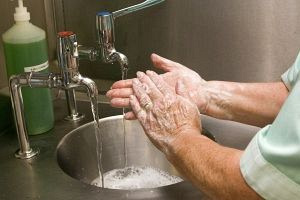
Patient Safety And Infection Prevention: Infection Control Practices For Speech-Language Pathologists, Audiologists And Healthcare Professionals #e239
Presenter: Tom Franceschini, MS, CCC-SLP
This course is designed to teach and review infection control practices required throughout all healthcare settings, and specifically as they apply to Speech-Language Pathologists and other healthcare professionals. Infection Control Practices have been evolving and advancing since the onset of the AID’s crisis of the 1980s. Learn ... more+
Treatment In Telepractice: Part 3 #e238
Presenter: Marissa Rocheleau, MA, CCC-SLP
This course will cover issues related to choosing treatment materials for designing effective teletherapy sessions. Discussion will cover document cameras and iPad mirroring and offers many product suggestions and screen captures of potential materials that therapists can immediately apply in their practice. ... more+

Mild Cognitive Impairment: Early Indicators And Clinical Interventions #e237
Presenter: Kathryn Bayles, PhD, CCC-SLP (Retired)
Language performance deficits are early indicators of MCI, and SLPs are uniquely qualified to identify those at risk for MCI and provide clinical intervention. Early identification is vital to delay or prevent progression to dementia, and diagnostic criteria and test performance cutoffs are now available. This course focuses on cognitive impairment and provides an overview of what cognition is, how memory is formed, types of memory, and a substantive segment on treatments and how they relate to the principles of neuroplasticity.... more+
Supervision: Am I Ready To Be A Clinical Instructor? #e236
Presenter: Amanda Warren, MS, CCC-SLP
Fulfill your ASHA Mentoring and Supervisory course requirements. This course is intended for SLPs who are interested in developing their teaching abilities prior to taking on their first student. Participants will be introduced to terminology, supports available for novice supervisors, and common models of supervision and feedback. Most importantly,... more+

Language Deprivation In Children Who Are Hard Of Hearing: Defining It, Identifying It, And Describing How To Prevent And Treat It #e235
Presenter: Kimberly Sanzo, MS, CCC-SLP
This course is intended for speech-language pathologists who work with children who are deaf and hard-of-hearing (DHH). It will address language deprivation in the DHH population by defining it, identifying its characteristics, and describing how to prevent and treat it.... more+

Introduction To Gender Affirming Voice Therapy #e233
Presenter: Tina Babajanians, MS, CCC-SLP
This course explores voice management across the gender spectrum, with a focus on methods and strategies to alter voice characteristics. Participants will learn how to approach consultation, assessment, generalization, maintenance, and vocal hygiene.... more+

Functional And First-Rate Aphasia Treatment: A Client-Centered Approach #e229
Presenter: Jacqueline J. Hinckley, PhD, CCC-SLP, BC-NCD
This course provides the SLP with up-to-date tools and methods, starting from the initial assessment, to establishing goals, to selecting an evidence-based treatment plan. Participants will follow the case of Alan, an adult with aphasia, as the clinician works through different types of assessment data, establishing collaborative goals, and examples of treatment plans.... more+
Evaluations In Telepractice: Part 2 #e227
Presenter: Marissa Rocheleau, MA, CCC-SLP
This course will cover issues related to choosing paper-based and digital evaluations, relevant factors that may impact assessments online for children and adults, and discuss potential solutions for common challenges in the online realm. It includes many product suggestions and screen captures of potential types of assessments that therapists can immediately apply in their practice ... more+

Private Practice Essentials: A Guide To Starting A SLP Private Practice #e224
Presenter: Jill Shook, MS, CCC-SLP
Do you want to start a SLP private practice but aren’t sure where to begin? Wish you had a step-by-step guide to answer all your questions? This course will help you navigate through the process of starting a private practice. Whether you are planning for a part-time vs. full-time practice, pediatric vs. adult clients, or medical vs. non-medical setting, the content of this course is applicable across settings and populations. Topics include... more+

Managing Common SLP Stresses Before Burnout Occurs #e223
Presenter: Jessi Andricks, MS, CCC-SLP
Many SLPs face burnout from the chronic, overwhelming stress they encounter each day. In this course, learn the science behind stress, how it shows up in the day of an SLP, and tools to manage stress and reduce burnout, including Mindfulness and Positivity.... more+

Optimizing Breastfeeding Safety And Outcomes In The Presence Of Feeding And Swallowing Disorders #e222
Presenter: Kimberly Morris, MS, CCC-SLP, BCS-S, IBCLC
This presentation will focus on assessment and treatment techniques to reduce aspiration risk at the breast and will highlight how to overcome obstacles to breastfeeding in special populations including children with congenital heart disease, botulism and cleft lip/palate. Videos and case studies will be included.... more+

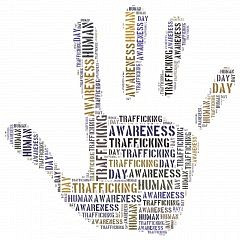
Human Trafficking: How It Occurs, What It Looks Like, And How To Respond #e221
Presenter: Amy Rouleau, MPA
The heinous crime of human trafficking has reached epidemic levels, not just around the world but in every state in the United States. This course is intended to teach professionals how to identify and respond to human trafficking. It provides an in-depth view of human trafficking, how it occurs, what it looks like, and how to respond.... more+
Apraxia Of Speech In Adults: A Clinical Approach #e220
Presenter: Jay Rosenbek, PhD, CCC-SLP, BC-NCD
This three-section course covers evaluation and treatment of apraxia of speech in adults. The first section covers evaluation. The second section comprises all the components of a treatment plan. The third section describes the specifics of treatment with an emphasis on treatment’s active components and on eight specific treatment approaches.... more+
Topics On Supervision For Speech-Language Pathologists #e219
Presenter: Cassie Quinn, MS, CCC-SLP, BCS-S
Fulfill your ASHA Mentoring and Supervisory course requirements. This 10.5 hour course includes all 10 learning modules from the course series, "Topics on Supervision for Speech-Language Pathologists". Learners may stop and re-start the course at any point, and access to the course content is retained after course completion for ongoing reference and review. Specifically, this course will cover the following topics... more+

Topics On Supervision For Speech-Language Pathologists – Parts 9 And 10 #e218
Presenter: Cassie Quinn, MS, CCC-SLP, BCS-S
Fulfill your ASHA Mentoring and Supervisory course requirements. This 2-hour course considers supervision across settings. Discussed are common supervisory principles and patterns found across different settings, what the long-term supervision goal should be, and which types of interpersonal communication are most effective in each setting. ... more+

Topics On Supervision For Speech-Language Pathologists – Parts 7 And 8 #e217
Presenter: Cassie Quinn, MS, CCC-SLP, BCS-S
Fulfill your ASHA Mentoring and Supervisory course requirements. This 2-hour course first discusses accountability in the supervisory process. The second portion of this course will cover supervising students with disabilities. ... more+

Topics On Supervision For Speech-Language Pathologists – Parts 5 And 6 #e216
Presenter: Cassie Quinn, MS, CCC-SLP, BCS-S
Fulfill your ASHA Mentoring and Supervisory course requirements. This 2-hour course will discuss the importance of teaching critical thinking and problem solving in the supervisory process, and discuss observation and data collection to help maintain integrity in supervision.... more+

Topics On Supervision For Speech-Language Pathologists – Parts 3 And 4 #e215
Presenter: Cassie Quinn, MS, CCC-SLP, BCS-S
Fulfill your ASHA Mentoring and Supervisory course requirements. This 2-hour course discusses different approaches to developing effective communication skills between supervisor and supervisee including the process of giving feedback and leading conferences with supervisees.... more+

Topics On Supervision For Speech-Language Pathologists – Parts 1 And 2 #e214
Presenter: Cassie Quinn, MS, CCC-SLP, BCS-S
Fulfill your ASHA Mentoring and Supervisory course requirements. This 2-hour course is divided into two modules. Module 1 will discuss the dynamic nature of the supervisor-student relationship. Module 2 will discuss the importance of individualizing styles and levels of supervision, and provide evidence-based research and suggestions for how to individualize your approach to supervision for each student.... more+

Oral Hygiene Programs: Oral Care Is Critical Care #e212
Presenter: Tom Franceschini, MS, CCC-SLP
Which is a better predictor for an individual to develop pneumonia: a diagnosis of dysphagia, or poor oral hygiene? This course reviews current oral care practices and the evidence-based research supporting the need for improved oral care in the at-risk patient. Development of oral care guidelines for assessment and treatment in various institutional settings will be discussed.... more+

Redeveloping Procedural Memories To Address Deficits In Swallowing, Communication And Rapid Decision Making #e209
Presenter: Mike Studer, PT, MHS, DPT
Are our current rehabilitative approaches encouraging patients to re-automatize skills? Or, are we encouraging patients to "think about" rather than subconsciously process skills that were once procedural memories? Learn to apply Procedural Learning and Dual Task Training to help individuals become skilled and automatized again to reduce or eliminate the need for constant monitoring to maintain communication and swallowing goals.... more+

GERD And LPR In Adults: The Role Of The Speech-Language Pathologist In Diagnosis And Treatment #e207
Presenter: Tom Franceschini, MS, CCC-SLP
This course is intended to educate SLPs about GERD and LPR as it affects both swallowing and voice disorders in adults. Learn how anatomy and physiology relate to the genesis of reflux for a more complete understanding of the syndromes. Understand the role SLPs can play in assessment, as well as behavioral and medical treatment.... more+
Managing The Defiant Or Uncooperative Child During Therapy #e206
Presenter: Adina Soclof, MS, CCC-SLP
This course teaches clinicians effective and practical strategies to manage challenging and defiant behavior in their young clients. It will also discuss how clinicians can educate parents on how to manage difficult behavior and avoid power struggles at home.... more+

Traumatic Brain Injury In Children And Adolescents - Part 2: Moderate To Severe TBI #e205
Presenter: Paul Fogle, PhD, CCC-SLP
Based on the latest research from medical, rehabilitation, and speech-language pathology literature, this course covers essential information about moderate to severe TBI in infants (e.g., shaken baby syndrome), children, and adolescents. Numerous topics are discussed, including the unique aspects of moderate-severe TBI and SLP assessments and treatment. ... more+

Traumatic Brain Injury In Children And Adolescents - Part 1: Concussion (mTBI) #e204
Presenter: Paul Fogle, PhD, CCC-SLP
This comprehensive course discusses the types, causes, and management of mTBI in children and adolescents. Learn the signs and symptoms of mTBI and become more keenly aware of who is at risk. Presented is evaluation and management of concussion, and also the role of the SLP in helping children reintegrate back into the school environment following mTBI.... more+

Developing Critical Thinking Skills In Pediatric Dysphagia: Part 3 – Swallowing Disorders And Medically Based Feeding Problems #e203
Presenter: Jennifer Dahms, MS, CCC-SLP, BCS-S
This course is the third in a 3-course series on pediatric dysphagia. It covers swallowing disorders and medically-based feeding problems. Presents case studies and therapeutic interventions to address GERD, constipation, cleft lip/palate, tube feedings, prematurity, autism, attention, and oral intake of medication.... more+
Developing Critical Thinking Skills In Pediatric Dysphagia: Part 2 – Oral Sensory Feeding Disorders And Mealtime Management Issues #e202
Presenter: Jennifer Dahms, MS, CCC-SLP, BCS-S
This course is the second in a 3-course series on pediatric dysphagia. It covers oral sensory feeding disorders and mealtime management. Discusses deficits and corresponding treatment strategies related to bolus cohesion, bolus propulsion, oral holding, oral pocketing, oral clearing, palatal packing, and oral stuffing.... more+
Developing Critical Thinking Skills In Pediatric Dysphagia: Part 1 – Postural Stability And Oral Motor Feeding Disorders #e201
Presenter: Jennifer Dahms, MS, CCC-SLP, BCS-S
This course is the first in a 3-course series on pediatric dysphagia. It presents detailed information on techniques and strategies for addressing oral motor feeding disorders. Discusses therapy techniques to address deficits of the lip, cheek, tongue lateralization, tongue elevation, biting, and chewing. Course includes video examples, case studies, lab practice and application activities. ... more+

Evaluation And Treatment In Telepractice: Part 1 #e198
Presenter: Marissa Rocheleau, MA, CCC-SLP
This course is designed as an introduction to teletherapy evaluation and treatment for speech-language pathologists working with either children or adults. This course will cover client factors, privacy concerns, and technology considerations. It includes multiple samples of telepractice in action as a great visual aid for applying the material covered.... more+

Perceptions Of Children In Speech Therapy – What The SLP Needs To Know #e197
Presenter: Ronda Wojcicki, MS, CCC-SLP
This course explores the perceptions of children in speech therapy from the lens of administrators, teachers, other adults and peers. The impacts of these perceptions are discussed in relation to bullying. Case studies are used to shape recommendations for creating a positive experience for children in speech therapy.... more+

Connecting Language Intervention And The Classroom #e195
Presenter: Ana Paula Mumy, SLPD, CCC-SLP
This course is designed to help speech-language pathologists collaborate with classroom teachers with greater ease and effectiveness. It also provides SLPs a bridge between learning standards and language intervention goals. Key foundational language skills are explained and creative ideas are offered... more+

SLPs Working With Culturally And Linguistically Diverse (CLD) Populations #e194
Presenter: Ana Paula Mumy, SLPD, CCC-SLP
This course is designed to enable SLPs to incorporate a new working knowledge as it relates to bilingualism in the assessment and treatment of CLD populations. The material presented will allow participants to make appropriate decisions with greater confidence and expertise when working with toddlers, preschool, and school-age children.... more+

Orofacial Myology/Tongue Thrust: An Introduction With Assessment Applications #e190
Presenter: Sandra R. Holtzman, MS, CCC-SLP, COM, QOM
This course presents an overview of the specialty area of Orofacial Myology and its relationship to the field of Speech-language Pathology. Discussed are the procedures involved in examining various orofacial structures and functions. Learn which barriers interfere with successful treatment, and receive instruction for improving your client's lingual, labial and mandibular coordination skills.... more+
Esophageal Disorders: A New Technology And Perspective On Management #e189
Presenter: Robert Arnold, SLPD, CCC-SLP, BCS-S
Signs and symptoms traditionally thought by SLPs to represent an oral or pharyngeal dysphagia may also at times be the result of a primary or comorbid esophageal swallow disorder, or even be the result of pathology at the level of the stomach, intestine, and/or colon. This course explores integrating into the clinical swallow exam both esophageal physiology evaluation and screening for signs and symptoms of pathology in the lower GI tract.... more+
Executive Functions And Self-Regulation: The Impact On Children And Adolescents #e188
Presenter: Rebecca Rowe, MA, CCC-SLP
This course provides a wide-focus view on the various areas of Executive Functioning from age 3 to 18. It reviews all the major areas of Executive Functioning, intervention strategies for each, research regarding Executive Functions, co-existing conditions, and brain structures related to Executive Functioning. Includes an in-depth case study and practical strategies to implement into your clinical practice.... more+

Word-Finding Intervention: Retrieval Strategies For Semantic And Phonological Based Word-Finding Difficulties #e187
Presenter: Diane German, PhD
Course presenter, Diane German, PhD, is a pioneer clinical researcher and clinical practitioner on the subject of Word Retrieval. This course will aid participants in developing a proven intervention program that addresses word retrieval and vocabulary deficits. Participants will learn differential diagnosis of WFD in order to better target treatment plans based on the specific error pattern.... more+

Rationale For Meditation Techniques In Speech-Language Pathology Practice #e186
Presenters: Jennifer Llado, MS, CCC-SLP & Brenda Lovette, MS, CCC-SLP
There is increasing scientific evidence that meditation and breath work practices have the potential to improve brain function. This course will discuss evidence-based ways to incorporate mindfulness practices into speech, language, cognitive and voice therapy for the adult population. This course will also discuss practical applications including documentation.... more+

Cognitive Deficits Associated With Right Hemisphere Brain Damage: Attention, Executive Function, Awareness And Memory #e185
Presenter: Margaret Blake, PhD, CCC-SLP
This course will cover disorders of cognition commonly associated with right hemisphere strokes in adults, including attention, executive function, awareness, and memory. Characteristics, assessment, and treatment of each will be discussed.... more+
A Cure For The Common Core: Using Books To Address Communication Skills In The Common Core State Standards #e184
Presenter: Jennifer L. Schultz, MA, CCC-SLP
Learn a framework for developing communication goals based on the CCSS using children's literature as the context for intervention. Specific Phonemic Awareness, Listening and Speaking, and Language domain standards will be reviewed. Each standard/IEP goal will be linked to specific picture books that can be used to address the target communication skill during shared reading activities. Course focus is students in K - 5th grade.... more+

Tackling Palliative Rehabilitation: The SLP's Guide To End Of Life Services #e183
Presenters: Irene Gofman, MS, CCC-SLP & Amanda Warren, MS, CCC-SLP
This course reviews ways in which cognitive, communication and dysphagia management in end of life care differ in comparison to management in other populations. It will contrast palliative care vs. hospice. Also addressed will be early decision making and advocacy for patients nearing the end of life, and cultural competency when approaching patients with diverse backgrounds.... more+
Perspectives On Speech And Language Interventions For Children With Developmental Disabilities #e182
Presenter: Martha S. Burns, PhD, CCC-SLP
This course reviews and updates clinical research on speech sound disorders, language and reading disorders, and cognitive disorders in children. Each section of the course concludes with a practical summary of the newest evidence-based assessment and intervention approaches. Also includes ‘hot topics’ for clinicians in school and clinical settings.... more+

Esophageal Dysphagia: Evaluation And Treatment Options #e181
Presenter: Tom Franceschini, MS, CCC-SLP
This course will discuss the role of the speech-language pathologist in the evaluation and treatment of Esophageal Dysphagia. Learn to identify common disorders and diseases of the esophagus during assessment, and learn treatment options to improve swallowing function in patients with esophageal dysphagia. Participants will learn to interpret the findings of an esophagram and upper GI as it relates to patients with dysphagia.... more+
The Raz Preschool Stuttering Therapy Program #e178
Presenter: Mirla G. Raz, MEd, SLP
This presentation is a follow up to course, #e126. Learn step-by-step instructions for the treatment of stuttering in the preschool population. Includes integrating the participation of the parent(s) into the therapeutic process as well as specific instructions for at home carryover.... more+

Innovative Interventions: Improving Generalization In School-Age Children Using Experiential Learning Principles #e177
Presenter: Claudia Doan, MS, CCC-SLP
This fun, interactive, and evidence-based course is designed to help school-age children internalize lessons taught in speech therapy and generalize them to real-life communication situations. Presented in detail will be highly engaging and easy-to-implement experiential, speech-language therapy lessons.... more+

Stuttering: Treating The Entire Disorder #e175
Presenter: J. Scott Yaruss, PhD, CCC-SLP, BCS-F, F-ASHA
This presentation details goals and procedures that speech-language pathologists can use to help school-age children, adolescents, and adults overcome the burden of stuttering. Treatment techniques are presented throughout the course to empower clinicians to feel more comfortable and confident in their abilities to help those who stutter. To aid speakers who stutter, this course presents specific strategies to:... more+
Trach And Vent Patients: What The SLP Needs To Know About Communication And Swallowing #e173
Presenters: Roxann Diez Gross, PhD, CCC-SLP, ASHA Fellow & Lyndsi Yarkosky, BS, RRT-NPS
Presented by a SLP and a RT, this course discusses factors that affect communication and swallowing for adult patients with tracheostomy tubes with and without mechanical ventilation. It covers SLP "must knows" related to mechanical ventilation including: explanation of ventilator settings such as tidal volume, respiratory rate and PEEP; identifying common ventilator alarms; and how to apply an inline speaking valve with the ventilator.... more+
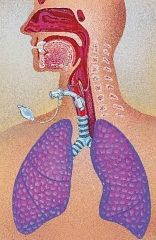
R: Techniques And Interventions To Correct /r/ — Seven Steps, From Basics To Habituation #e172
Presenter: Sandra R. Holtzman, MS, CCC-SLP, COM, QOM
This is the "go to" program for /r/ therapy when auditory bombardment and tactile cues are not enough to produce positive treatment results. This course covers seven basic steps that are necessary to move clients onward toward habituation. Structural and functional complications that interfere with the treatment process are described and ruled out. Basic lingual skills necessary for success are introduced early in the treatment program.... more+

Pediatric Feeding And Swallowing: Ethics Across Settings Ensuring Quality Of Care Through Collaboration #e171
Presenters: Donna Edwards, MA, CCC-SLP, BCS-S & Lisa Rai Mabry-Price, MS, CCC-SLP
Ethical issues that arise in SLP practice may be far reaching, but proactive utilization of resources, education, professional supports and collaborative efforts help resolve conflict in a professional manner. This course reinforces the support of our professional role to serve children with feeding and swallowing disorders across settings and to advocate for those children and families for best outcomes. Includes case studies to facilitate learning.... more+
Gauging The Aging Swallow: 3-Part Course For The Medical SLP #e168
Presenters: Yvette McCoy, MS, CCC-SLP, BCS-S & Rinki Varindani Desai, MS, CCC-SLP, CBIS
This presentation will review the normal adult swallowing mechanism and describe the effects of aging on deglutition. The assessment section will provide an overview of the influence of medications, lab values, and medical diagnoses on swallow function in older adults. Factors influencing dysphagia therapy selection will be discussed with a focus on maximizing quality-of-life in the aging population, especially at the end-of-life.... more+
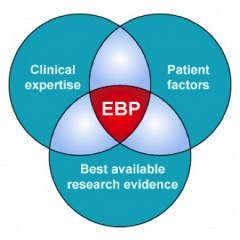
Addressing The Cognitive Deficits That Often Accompany Speech And Language Deficits In School-Age Children #e166
Presenter: Martha S. Burns, PhD, CCC-SLP
This course will review the current research on disorders of attention, memory, perception, executive function and social skills in school-age children. The focus is clinical application with a review of assessments, evidence-based practice, and clinical activities that can be used in treatment sessions or in the classroom.... more+

Common Core State Standards – For Speech Sound Disorders #e165
Presenter: Lissa Power-deFur, PhD, CCC-SLP
Learn a method for analysis of standards to plan intervention for students with speech sound disorders. The method begins with analysis of grade level standards, with a focus on those that may be challenging for speech sound disorders. Next, is analysis of student strengths and needs and the communication expectations of the classroom. Interventions are presented to enable the student to be successful in attaining the standards.... more+

Managing Cluttering: From Diagnosis To Carryover #e163
Presenter: Kathleen Scaler Scott, PhD, CCC-SLP, BCS-FD
This multifaceted course will take participants from the basics of Cluttering, on to assessment and differential diagnosis, through case studies, and then into carryover techniques for treatment. All SLPs working with pediatric and adult clients will find it highly relevant and practical.... more+

Treatment Of Picky And Problem Eaters Using Food Chaining Therapy #e161
Presenters: Cheri Fraker, CCC-SLP, CLC & Laura Walbert, CCC-SLP, CLC
This course instructs professionals in the treatment of children with complex feeding aversion. Learn six vital steps of food chaining intervention and foundational concepts of PreChaining and Food Chaining. This course focuses on diagnosis and setting up a team care plan. Includes discussion of red flag medical, nutritional, oral sensory, motor and emotional issues that impact a child and family struggling with a pediatric feeding disorder.... more+

Phonology Problem Solving: Assessing, Analyzing And Addressing Your Toughest Phonological Cases #e159
Presenter: Shari Robertson, PhD, CCC-SLP
This course covers analyzing the entire phonological system as the basis for effective and efficient intervention. Participants will be guided through a case study using reusable templates with immediate feedback provided after each section. Multiple strategies to address the resulting therapy targets will be demonstrated. Participants will gain a wealth of new information that can be immediately applied to children on their caseload.... more+
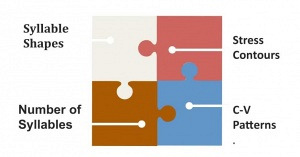
Treatment Planning For African American Vernacular English (AAVE) #e158
Presenter: Courtney Brown, MS, CCC-SLP
This course distinguishes the linguistic features of AAVE, identifies important dialectal features and markers, and integrates contrastive analysis and code-switching as effective pedagogical tools to aid in the linguistic dexterity among bidialectal AAE speakers.... more+

Prevention Of Feeding, Speech, And Mouth Development Problems: Birth To Age 2 #e156
Presenter: Diane Bahr, MS, CCC-SLP, CIMI
This course presents strategies to help establish solid foundations for the development of normal speech and feeding behavior for young children ages birth to 2 years. Participants will learn how to keep babies and young children on track to prevent or reduce life-long feeding, speech, and mouth development problems.... more+

Perspectives On Dysphagia Service Delivery: All About Treatment #e154
Presenters: multiple expert presenters
This treatment-focused course presents perspectives on the evolution of dysphagia practice. Twelve expert clinicians in the field of speech-language pathology team up to discuss the history of dysphagia management, how evidence-based practice has evolved over the years, and what best practice looks like today. Course includes 2 hours related to ethics and speech-language pathology practice.... more+
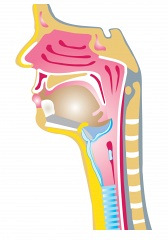
Stuttering: Current Concepts And Guidance For Intervention #e153
Presenter: J. Scott Yaruss, PhD, CCC-SLP, BCS-F, F-ASHA
Stuttering is a complicated disorder with a complicated history. Numerous theories about the cause of stuttering have been presented, and countless treatments have been advocated. Fortunately, the field has seen a growing consensus about etiology and intervention. This course will provide a comprehensive model of the disorder that can be used to guide both the assessment and treatment process.... more+
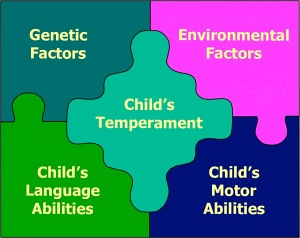
Ethics II: Patient Values & Clinician Bias #e151
Presenter: Paula Leslie, PhD, FRCSLT, CCC-SLP
When striving for autonomy and the push for clinical beneficence clash, service providers need sound advice based on current best practice. This course will examine and discuss values, morals and professional codes related to a variety of challenging situations that occur in everyday practice. Participants will learn a comprehensive model of medical ethics and how this can be successfully applied to their practice.... more+
Ethics I: Evidence And Clinical Decision Making #e150
Presenter: Paula Leslie, PhD, FRCSLT, CCC-SLP
This course will help to fill the information void on ethical decision making when working with the adult population. Participants will learn a comprehensive model of medical ethics and how this can be combined with evidence-based practice to better manage complex cases.... more+
Ethics, Evidence & Pediatric Decision Making #e149
Presenters: Donna Edwards, MA, CCC-SLP, BCS-S & Paula Leslie, PhD, FRCSLT, CCC-SLP
This course will help to fill the information void on ethical decision making in the pediatric setting. Participants will learn how ethical healthcare is based on evidence-based practice which requires patient and family input and respect of their values. This approach can be successfully applied to practice in order to better manage complex pediatric cases. ... more+
Introduction To Telepractice – How To Get Started And Other Considerations #e146
Presenter: Ana Paula Mumy, SLPD, CCC-SLP
This course is an introduction to telepractice – how to get started, what is required from both the professional and the client, the pros and cons of telepractice, as well as other considerations to make telepractice a viable and successful medium for speech-language assessment and treatment.... more+

Counseling Skills For Rehabilitation Professionals: Applications For Stuttering And Other Speech, Language, Cognitive And Voice Disorders #e144
Presenter: Paul Fogle, PhD, CCC-SLP
This course will help SLPs and other rehabilitation specialists learn important counseling skills for working with clients/patients and their families during challenging interactions. Learn counseling skills that are particularly helpful with individuals who stutter or have cognitive-linguistic impairments related to stroke and TBI.... more+

Diagnostic Assessment Of Semantic And Phonological Based Word-Finding Difficulties #e143
Presenter: Diane German, PhD
Presents formal and informal procedures for the diagnostic assessment of semantic and phonological based Word Finding (WF) error patterns. Includes characteristics of three semantic and phonological based WF error patterns, a lexical model representing the theoretical underpinnings of these WF error patterns, application of the standardized Test of Word Finding (TWF-3), and procedures for the identification of WF error patterns.... more+

Navigating Neurocognitive Disorders In Dementia: What The Speech Pathologist Needs To Know About Evidence-Based Practice And Patient-Centered Care #e142
Presenters: multiple expert presenters
This course advocates for a holistic approach to dementia care and challenges SLPs to enhance their methods of providing person-centered care for individuals who are living with dementia in any setting. Learn to shift perspective of dementia care from one of disability and loss, to one that focuses on enhancement of life engagement. Also presented will be a range of treatment options and case studies.... more+
Creative Connections In Dementia Care: Engaging Activities To Enhance Communication For People With Dementia #e141
Presenters: Jennifer A. Brush, MA, CCC-SLP & Rev. Katie Norris, M.Div.
This how-to course is packed with guidance and inspiration that will help Speech-Language Pathologists and Occupational Therapists discover the abilities of individuals with dementia. It provides ideas for developing functional activities to use during therapy or as part of a maintenance program with individuals with dementia.... more+
The Cranial Nerve Examination: Integrating Assessment And Treatment In Dysphagia Management #e139
Presenters: Yvette McCoy, MS, CCC-SLP, BCS-S & Tiffani Wallace, MA, CCC-SLP, BCS-S
Presenters will provide instructions and case studies to assist clinicians in performing, interpreting and developing a dysphagia treatment plan based on the deficits noted during the oral mechanism/cranial nerve assessment. Therapeutic strategies targeting swallow function will be presented, specifically sensory-based treatments and the use of swallow maneuvers and/or exercises.... more+
Assessment Of Voice Disorders In Children And Adults: Using Inexpensive Low And High Tech Resources To Complete A Comprehensive Voice Evaluation #e138
Presenter: Elizabeth U. Grillo, PhD, CCC-SLP
This course will explore perceptual, acoustic, aerodynamic, and movement voice measures. Also discussed will be free low and high tech Internet resources that can be used to collect the measures in both children and adults. The content of this course is for all SLPs in private practice, schools, and medical settings.... more+
Dysphagia Assessment: A Comprehensive Review Of Evidence-Based Practice #e137
Presenters: multiple expert presenters
This comprehensive assessment course is presented by 5 leading experts in the field of speech-language pathology. Discussed will be dysphagia screenings, bedside evaluations, FEES, MBS study, MRI, EMG, cranial nerve, manometry and more. Participants will learn advantages, strengths, and limitations associated with various assessment methods and how to apply this knowledge clinically for more accurate diagnosis.... more+
Challenges And Solutions For Implementing Evidence-Based Language/Communication Interventions In Skilled Nursing Facilities #e136
Presenter: Natalie Douglas, PhD, CCC-SLP
This course is designed for SLPs working in a SNF. Strategies are provided to support communication with facility leaders and other team members. Solutions are discussed to facilitate buy-in when training staff. Treatment approaches are presented to support cognitive-communicative status in residents with dementia in a SNF. ... more+
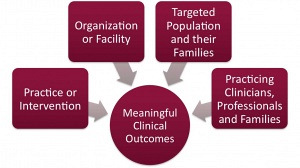
Right Hemisphere Stroke: Current Best Practices For Unilateral Neglect And Communication Disorders #e135
Presenter: Margaret Blake, PhD, CCC-SLP
This course will provide a review of unilateral neglect and common language and communication disorders associated with right hemisphere brain damage. Discussed will be current best practices for treatment of these disorders based on evidence.... more+
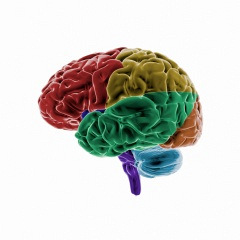
R Made Simple: Methods That Address The Challenges Of Pronunciation, Spelling And Dialect #e134
Presenter: Nancy Geruntino, MA, SLP
Are your students struggling to make progress using traditional ‘R’ remediation therapy? R Made Simple is an entirely different approach to R. This method is easy to teach, fun to learn, and most importantly, it reduces the number of contexts that need to be taught! This approach is appropriate for students who are beginning therapy, for students with distortions persisting after expected development, and for students struggling to make progress using other 'R' therapy approaches. ... more+

Executive Function And Other Cognitive Considerations For Speech And Language Treatment Of Middle And High School Students #e130
Presenter: Martha S. Burns, PhD, CCC-SLP
Learn approaches to help middle and high school age students compensate for Executive Function difficulties in the classroom. This practical course reviews the research on maturation of cognition in typical middle and high school age students and those with EF difficulties. Discussed will be attention, theory of mind, working memory, decision making, emotional regulation, and goal setting and how these impact classroom performance.... more+
MBSImP™ 5-Year Renewal Course To Maintain Registered MBSImP Clinician Status #e128
Presenters: Bonnie Martin-Harris, PhD, CCC-SLP, BCS-S, ASHA Honors & Kate Davidson, MS, CCC-SLP
This course serves as the MBSImP™ 5-Year Renewal Course for Registered MBSImP Clinicians. Content presented will help participants refine their skills and scoring accuracy for testing physiologic components of swallowing. Standardized reporting of results is discussed and a case study for targeted treatment is presented. Eligibility for Renewal Course enrollment requires prior completion of the course, #e01 - MBSImP Standardized Training.... more+
Parkinson's Disease, Swallowing And Best Practice #e127
Presenter: Paula Sullivan, MS, CCC-SLP, BCS-S
This course will discuss components of a targeted assessment of swallowing, saliva, eating, and speech in individuals with Parkinson's disease. Videofluoroscopic swallow study clips will demonstrate common oropharyngeal swallowing abnormalities. Extensive discussion will focus on both compensatory approaches and rehabilitative techniques including oral health, airway dynamics and respiratory muscle strength, nutrition, and airway protection maneuvers. ... more+
Stopping The Stuttering Trajectory In The Preschool Years #e126
Presenter: Mirla G. Raz, MEd, SLP
This course will focus on the role of the SLP in helping parents minimize their child's disfluencies. Different home environments will be discussed in their relation to stuttering. Includes discussion of when to recommend fluency therapy, what should be in place for therapy to succeed, viewpoints and questions a SLP may encounter, and appropriate responses to these questions. Focus is children ages 2-5.... more+

Evidence-Based Practice In Adult Dysphagia Management: What The Evidence Says About Commonly Selected Rehabilitation Interventions #e125
Presenters: multiple expert presenters
Participants will learn how evidence-based practice in dysphagia is limited, and how to interpret and critique the scientific literature given these limitations. Case studies are used to discuss the evidence behind widely used dysphagia interventions, including: chin tuck, effortful swallow, Mendelsohn maneuver, and Shaker exercise. Learn a roadmap for clinical decision making and a framework for evaluating any swallowing treatment used in therapy.... more+
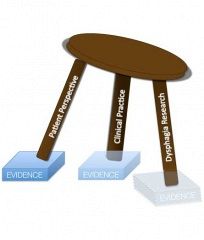
A Functional Approach For Achieving Meaningful Goals With Persons With Dementia #e124
Presenters: multiple expert presenters
This clinically focused course uses a case study format to explain how to successfully evaluate and treat persons with dementia. Learn the importance of categorizing the type of dementia before establishing a plan of treatment. Learn to document medical necessity and skilled services – the two requirements necessary for reimbursement. Course reviews evidence-based interventions that are likely to yield functional and meaningful outcomes.... more+

Executive Function Treatment: In The Face Of Chronic Traumatic Encephalopathy....Lifesaving! #e123
Presenter: Nancy Horowitz Bertsch, MA, CCC-SLP
This course features a comprehensive case study of a former NFL football player. It will examine his case history and his treatment goals along with treatment plans and methodology. The presentation follows his treatment sessions and the changes which occurred during treatment. Includes a review of his treatment outcomes and the successful tools utilized during therapy.... more+

Treatment Of Voice Disorders: The Global Voice Therapy Model (GVTM) For Children And Adults #e122
Presenter: Elizabeth U. Grillo, PhD, CCC-SLP
This course will explore the components of the Global Voice Therapy Model (GVTM). Presented will be motor learning principles applied to the GVTM, research related to the GVTM, and application of the GVTM to clinical practice. Course content is appropriate for SLPs in private practice, schools, and medical settings servicing both children and adult clients. ... more+
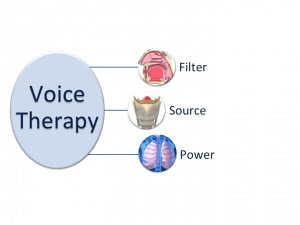
Auditory Processing Disorders, Dyslexia And Apraxia: Assessments And Evidence-Based Interventions #e118
Presenter: Martha S. Burns, PhD, CCC-SLP
This course reviews neuroscience research on the underlying causes of APD, dyslexia and CAS. Several neuroimaging studies will be highlighted including recent dyslexia research from the Shaywitz team at Yale and research on Prompt for CAS. This course then reviews available assessment tools and evidence-based interventions.... more+

Counseling Tools For The Speech-Language Pathologist: Applications For Stuttering And Other Speech-Language Disorders #e117
Presenter: Cyndi Stein-Rubin, MS, CCC-SLP
This online course is designed to advance counseling skills for the SLP. Learn a variety of counseling tools and techniques which can be applied to both adult and pediatric clients. This presentation will guide participants through various counseling programs in easy to follow sequences. Learn to emphasize strengths, elaborate on goals to achieve maximum success, and reframe negative thinking styles related to communication disorders.... more+

Medical Speech Pathology: The Influence Of Body Systems On Cognition, Communication And Swallowing #e116
Presenters: Robert Arnold, SLPD, CCC-SLP, BCS-S & Veda Cochran, RN, BSN
This course provides a holistic review of anatomy and physiology of the critical systems of the human body. Presented will be valuable information on how body systems function to promote, delay, or impede progress with intervention programs. This course puts it all together for the SLP to provide a deeper understanding of how body systems function in relation to the assessments and interventions employed by the SLP.... more+
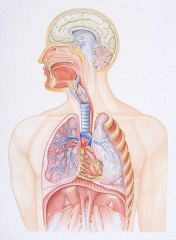
Medications And Cognition #e114
Presenter: Lynette Carl, PharmD, BCPS
This course describes how medications can affect neurotransmission in the central nervous system, including impacts on cognition, learning, behavior, and motor function. In particular, it reviews medications that are used to improve cognition and learning in patients with cognitive disorders associated with dementia, psychosis, depression and anxiety disorders. Guidance is provided for optimizing patient participation in rehabilitation sessions through appropriate scheduling of sessions in relation to medication administration.... more+

Pros And Cons Of Dysphagia Bedside Screening And Assessment #e113
Presenter: James L. Coyle, PhD, CCC-SLP, BCS-S, ASHA Fellow
This course will review the swallow screening and clinical assessment process, clarify the differences between dysphagia screening and evaluation, explain how to use evidence on screening and assessment to judge the value of testing components, and select test procedures based on good evidence.... more+
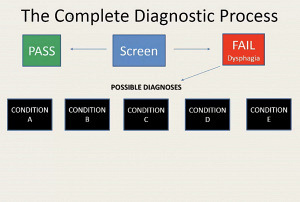
I Care: Educating Professional And Family Care Partners Of People With Dementia #e112
Presenters: Jennifer A. Brush, MA, CCC-SLP & Kerry Mills, MPA
This online course offers positive, solution-focused practices that SLPs can implement with nursing staff, home health aides, spouses, children, or other care partners to help them support those living with dementia. Advocates for five strategies that SLPs can use to coach care partners in order to provide quality, loving care, as part of a healthy relationship.... more+
Making The Most Of Mealtime: Helping Older Adults Compensate For Sensory Impairment During Meals #e111
Presenter: Jennifer A. Brush, MA, CCC-SLP
Learn to address environmental barriers such as inadequate lighting, noisy conditions, poor or absent environmental cues, and visual clutter as part of a comprehensive treatment plan to assist older adults and individuals with dementia with their ability to function independently during meals.... more+
Dietary Recommendations, Feeding Tubes And Ethical Practice #e107
Presenter: Paula Leslie, PhD, FRCSLT, CCC-SLP
This course combines knowledge of feeding tubes in dementia with informed consent and decision making. Discussed are the requirements for informed consent, and how knowledge of ethical principles and research evidence can support clinicians and families in making more informed decisions.... more+
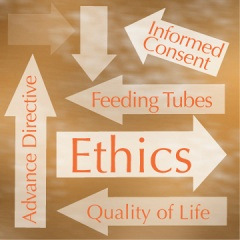
Dysphagia In The Medically Fragile And Frail Elder: Management And Decision-Making #e106
Presenter: Paula Sullivan, MS, CCC-SLP, BCS-S
This comprehensive presentation will discuss the impact of illness and deconditioning on swallowing and review evidence-based interventions. It will provide a clear framework to guide the practitioner, team, and family with decision-making that is appropriate and realistic, and more importantly, patient-focused.... more+

Relevance Of Lab Values And Medications In Dysphagia Management: Chest Imaging, Pneumonia Differential Diagnosis, Bloodwork #e101
Presenter: James L. Coyle, PhD, CCC-SLP, BCS-S, ASHA Fellow
This course focuses on common findings from chest imaging reports and lab tests, and deciphers the language within those reports to enable the SLP to more expertly integrate that information into patient management. Important aspects of the pathogenesis and differential diagnosis of aspiration pneumonia will be discussed... more+
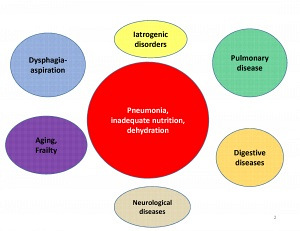
Restorative Rehabilitation Dining Programs: Successful Development & Implementation #e100
Presenter: Laura Roberts, MS, CCC-SLP, BCS-S
This course presents protocols, logistics, goals and collaborative factors related to implementing a restorative rehabilitation dining program in your facility. Participants will learn to identify ideal patient candidates, and learn the necessary steps to successfully implement rehab dining programs.... more+

Translating MBS Study Results Into Targeted Treatment: Evidence-Based Interventions Using The MBSImP™ Approach #e012
Presenters: Bonnie Martin-Harris, PhD, CCC-SLP, BCS-S, ASHA Honors & Kate Davidson, MS, CCC-SLP
Learn how the MBSImP™ approach can be used to link physiologic components of swallowing with evidence-based interventions to target swallowing impairment. MBSS cases are presented and participants are guided through selection of interventions and treatment planning. Course is appropriate for SLPs who assess and/or treat adult patients with dysphagia. Prior completion of the MBSImP Training is suggested, but not a requirement.... more+
High Intensity, High Repetition Articulation Therapy #e99
Presenter: Ana Paula Mumy, SLPD, CCC-SLP
Learn to maximize articulation therapy through creative drill activities that yield a high number of repetitions per session. This course focuses on effective high-intensity, high-repetition drill practice activities that can be implemented easily and immediately. Participants will also learn various practical therapy ideas that promote quicker carryover of learned skills.... more+

Tongue Tie 101 For SLPs: What Is Our Role? #e94
Presenter: Sandra R. Holtzman, MS, CCC-SLP, COM, QOM
Ankyloglossia and the SLP – To ignore it, or not? To refer it, or not? In this course, learn information critical in advising parents regarding infant feeding issues, dental concerns, emotional and social aspects, swallowing considerations, and most importantly the speech connection. Participants will be introduced to assessments and various techniques used to release the lingual frenum.... more+
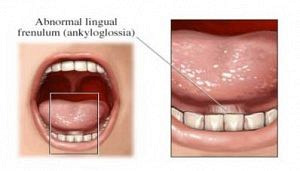
Developing A Home Articulation Program For Parents #e91
Presenter: Ana Paula Mumy, SLPD, CCC-SLP
This course will aid SLPs in developing home articulation programs. It provides simple home activities for parents working on articulation and identifies 3 things parents should know to facilitate the proper articulation of sounds at home. Includes website links and other resources which contain good sources for therapy materials.... more+

Ethics, Evidence And Clinical Decision Making #e87
Presenter: Paula Leslie, PhD, FRCSLT, CCC-SLP
Do your rights as a professional mean more than the rights of your patients? Learn what Ethical Boards expect you to do when conflicts arise in your practice. This course focuses on ethical decision making for adult individuals with dysphagia. Discussed will be situations involving informed consent, patient refusal, treatment options including oral vs non-oral feeding, and when and how to terminate services. ... more+
Screening For Cognitive Impairments: Evidence-Based Tools #e79
Presenter: Jacqueline J. Hinckley, PhD, CCC-SLP, BC-NCD
Based on prevalence data, perhaps 50% of a typical clinician's caseload will include individuals with some type of cognitive impairment. This course provides clinicians with information needed to conduct effective cognitive screenings. Discussed will be evidence-based, formal cognitive screening tools to ensure that these impairments will be detected. All of these tools can be used in about 5-10 minutes.... more+

Assessing Cough In Dysphagia Practice #e74
Presenter: Teresa Pitts, PhD, CCC-SLP
How significant is patient cough during or after a meal? Are there means to determine if the cough is related to dysphagia? This research-focused course examines the literature on cough and dysphagia to help SLPs make evidence-based decisions related to the cough event.... more+
Oral Mechanism / Cranial Nerve Examination: What Every SLP Needs To Know #e72
Presenter: Kellyn Dailey Hall, PhD, CCC-SLP
This course provides step-by-step instructions for performing and interpreting a quick, yet thorough, oral mechanism and cranial nerve exam across all ages. Includes examples and specific guidelines for interpreting the exam and translating the results into a written report.... more+

Building Vocabulary Through Children's Picture Books #e69
Presenter: Jennifer L. Schultz, MA, CCC-SLP
This course will provide participants with a rationale for incorporating children's literature into treatment activities rather than relying on drill-based activities. Learn to develop word learning stimuli to assist students to develop deeper word meaning knowledge through treatment activities. Example word-knowledge and word-use scoring rubrics will be shared. Tools and strategies for developing therapy materials including flashcards, mini books, word puzzles, word games, and discussion activities will be included.... more+

Assessing Cognition In Aphasia And Other Language Impairment #e30
Presenter: Jacqueline J. Hinckley, PhD, CCC-SLP, BC-NCD
Do you have clients with both aphasia and cognitive impairments? This course addresses critical questions about assessing cognitive abilities in aphasia. Discussion includes why, when, and how to assess cognition in aphasia. Specific assessment tools that are appropriate for use with individuals with aphasia are described.... more+

Electrical Stimulation In The Normal And Impaired Swallow #e06
Presenter: Ianessa Humbert, PhD, CCC-SLP
This online course provides a review of swallowing anatomy and physiology and covers the fundamentals of electrical stimulation. The values and limitations of electrical stimulation for swallowing are reviewed, based on the published literature, to assist clinicians in decision-making for their clinical practice.... more+
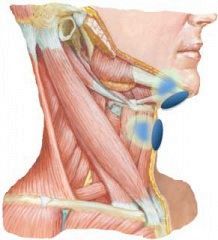
COMING SOON
$149.00 USD
0.35 ASHA CEUs
Babble Boot Camp© Basic Training #e321
Presenters: Nancy Potter, PhD, CCC-SLP & Victoria Heinlen, MS, CCC-SLP
Babble Boot Camp© (BBC) is an evidence-based and proactive intervention approach designed to build resilience against speech and language difficulties that are predictable at birth based on known risk factors. This training offers a review of early communication skills, real-life examples of BBC implementation, and hands-on practice. On course completion, early intervention SLPs and early childhood specialists will be equipped to implement BBC in any therapy environment including a virtual one.... more+

COMING SOON
$44.00 USD
0.2 ASHA CEUs
Augmentative and Alternative Communication: A Means for Equity and Inclusion for Individuals with Communication Disorders #e320
Presenter: Veronica Contreras, MS, CCC-SLP
This presentation will cover ideas to promote diversity and inclusion in the field of speech-language pathology in an effort to create equity for individuals with disabilities. This course discusses specific ways in which SLPs can utilize AAC to be more inclusive of all our client’s needs by considering AAC as a viable approach in our evaluations and therapy planning. Content is appropriate for both pediatric and adult clients. ... more+
COMING SOON
$44.00 USD
0.2 ASHA CEUs
Incorporating the Social Model of Diversity in Our Therapy Frameworks with People Who Stutter #e312
Presenter: Ana Paula Mumy, SLPD, CCC-SLP
Participants will differentiate between a medical model of treatment, one that focuses on fixing or curing the individual’s impairment to accommodate society’s norms and values, and a social model lens of treatment for people who stutter, one that acknowledges human diversity. Participants will identify ways to prioritize the speaker’s experience of stuttering and the impact stuttering has on their lives, as well as their crucial role in educating and advocating for change within the existing physical, attitudinal, communication, and social environment.... more+

COMING SOON
$189.00 USD
1.5 ASHA CEUs
Competencies In Using Alternative And Augmentative Communication (AAC) For Language Development #e310
Presenters: Megan Brazas, MA, CCC-SLP, QOM & Beth Speaker-Christensen, MA, CCC-SLP/L, ATP
This comprehensive online training provides a step-by-step process to conduct dynamic and collaborative AAC assessment, select optimal AAC systems for your learners, effectively coach communication partners, understand and use AAC prompt hierarchies, and expand vocabulary using AAC treatment principles. Case studies will be presented to facilitate the AAC evaluation and assessment process and to aid in treatment planning. Downloadable bonus resources allow you to get started with assessment and therapy with your current caseload.... more+
COMING SOON
BaByVFSSImP© For Videofluoroscopic Assessment Of Swallowing Impairment In Bottle-Fed Babies #e002
Presenters: Maureen Lefton-Greif, PhD, CCC-SLP, BCS-S, ASHA Fellow & Bonnie Martin-Harris, PhD, CCC-SLP, BCS-S, ASHA Honors
BaByVFSSImP© - Establishing a standardized swallowing assessment protocol for bottle-fed babies. Online training course coming in 2023. Click the green button to be notified when this course becomes available.... more+